


Why Used OEM Parts Are the Smarter Choice for Your Car (And Your Wallet)
Let’s be honest. Nobody wakes up excited about spending money on car repairs. It’s one of those things you deal with because you have to, not because you want to. And when your mechanic hands you a quote that makes your stomach drop, the first thing most people do is start looking for ways to bring that number down.
That’s usually where the debate between new OEM parts, aftermarket parts, and used OEM parts comes in. A lot of drivers don’t know much about the difference, and plenty of people get talked into choices that cost them more in the long run. So let’s break this down in plain language, because it matters more than most people realize.
What Does OEM Actually Mean?
OEM stands for Original Equipment Manufacturer. When you buy an OEM part, you’re getting the exact same part that came with your car when it rolled off the assembly line. It was made to fit your vehicle perfectly, engineered to the same specifications, and tested to work with all the other components in your car.
Aftermarket parts, on the other hand, are made by third-party companies trying to replicate those specs. Sometimes they get close. Sometimes they don’t. And the problem is, you won’t always know which one you’re getting until something goes wrong.
New OEM parts are as good as it gets, but they carry a serious price tag. Ordering a replacement part directly from a dealership can cost two to three times more than other options. For many repairs, that’s just not practical.
Used OEM Parts: The Option Most People Overlook
Here’s where it gets interesting. When a car gets totaled in an accident, stolen and recovered, or simply retired from service, a huge number of its parts are still in perfectly good working condition. Those parts get pulled, inspected, and resold. That’s the used OEM market, and it’s bigger and more reliable than most drivers expect.
The part you’re buying was made by the original manufacturer. It was built to fit your exact vehicle. It has a track record of real-world use. And it costs a fraction of what you’d pay at a dealership.
For common repairs on popular makes, the savings are significant. If you drive a Ford F-150 or a Mustang and you need a replacement engine component, transmission part, or body panel, shopping for OEM used Ford parts can save you hundreds of dollars compared to buying new. The part came from the same production line as the original. The only difference is that it’s been in use before, and it’s been checked to make sure it’s still in solid condition.
The same story plays out for GM vehicles. Chevy trucks and SUVs are some of the most popular vehicles on American roads, which also means there’s a healthy supply of quality recycled components available. When you need a specific part for a Silverado or a Tahoe, finding OEM used Chevy parts from a reputable source means you’re still getting a genuine General Motors component, just at a price that makes sense for your budget.
Japanese vehicles like Hondas hold their value well, and their parts are no different. The Civic, Accord, CR-V, and Pilot are all incredibly popular across the US and Canada, which means there’s a consistent supply of quality used components available. If you drive one of these vehicles and need a replacement part, looking into OEM used Honda parts is worth your time before you head to a dealership and pay retail prices.
The Problem With Cheap Aftermarket Parts
It’s worth taking a minute to talk about why going the cheap aftermarket route can backfire. These parts are often made with lower-grade materials. The tolerances may be slightly off, which creates wear on surrounding components over time. Seals don’t always seat properly. Sensors can give inaccurate readings. Electronics may not communicate correctly with your car’s computer.
None of this shows up right away. The part fits, the car runs, and you think you saved money. Then six months later something else starts going wrong, and your mechanic has to trace it back to that cheap part you bought online. Now you’re paying twice.
With a used OEM part, you’re working with something that was engineered for your car and has already proven it can handle real driving conditions. That’s a meaningful difference.
What to Look for When Buying Used OEM Parts
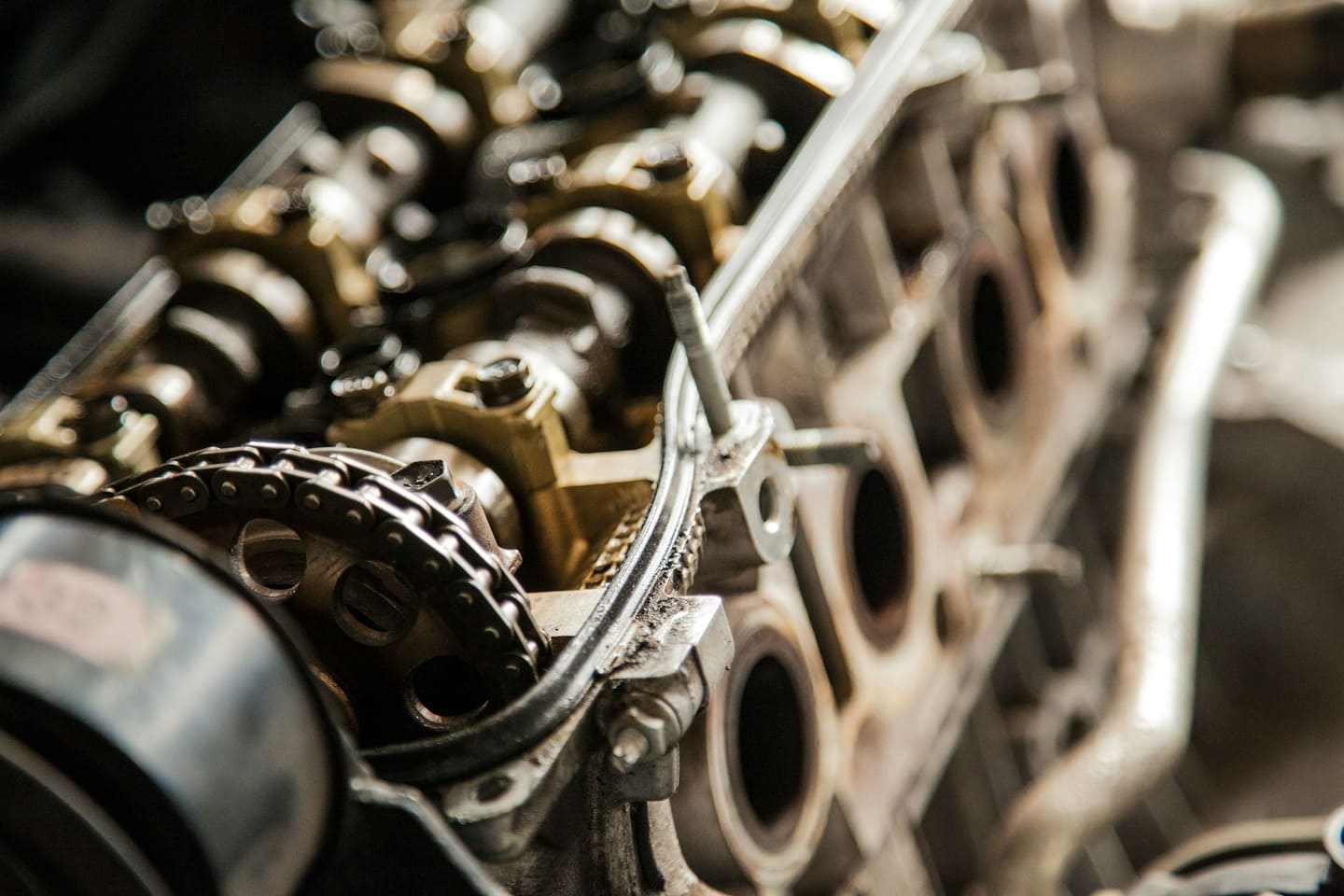
Not all used parts are equal. This is where buying from a reputable source makes a real difference, and it’s worth knowing what separates a good supplier from one you should avoid.
The first thing to look for is a proper grading and inspection process. A good supplier will physically examine every part before it ever gets listed. That means checking for internal damage, not just wiping it down and taking a photo. A part can look completely fine on the outside and still be compromised internally, so you want someone with real expertise looking it over before it ships. At Back To Road Auto Parts, every part in our inventory goes through exactly that kind of inspection before it’s made available. Our auto parts specialists check both the internal and external condition, and only the parts that pass make it into stock.
Mileage matters too, especially for mechanical components like engines and transmissions. A used engine with 40,000 miles on it is a very different proposition from one with 140,000. Ask about mileage and verify it where possible before committing to a purchase.
Warranty coverage is another thing to pay close attention to. Reputable used parts suppliers back their inventory with some form of warranty. It doesn’t have to match a dealer warranty in length, but it should exist. If a supplier won’t offer any warranty at all, walk away. Every part we sell at Back To Road comes with hassle-free warranty protection, because we stand behind what we ship.
Finally, make sure the part is actually compatible with your specific vehicle. A part from the same make and model can still be the wrong fit if the year or trim level is different. The safest way to shop is to have your VIN handy and confirm compatibility before you buy. Our parts finder tool lets you search by year, make, model, and part name so you’re always looking at options that match your exact vehicle.
The Environmental Angle
This part doesn’t get talked about enough. When you buy a recycled OEM part, you’re keeping a functional component out of a landfill and reducing the demand for new manufacturing. Producing new auto parts requires raw materials, energy, and transportation. Recycled parts skip all of that.
If you care about reducing waste, buying used OEM parts is one of the most practical ways to do it as a car owner. You’re not sacrificing quality. You’re just being smart about where the part comes from.
How to Find the Right Part Without the Headache
In the past, tracking down a specific used OEM part meant calling junkyards one by one, hoping someone had what you needed in decent condition. That process could take days and still come up empty.
The good news is that the used parts market has changed a lot. The better online suppliers are connected to large networks of recyclers and warehouses across the country. You enter your vehicle info and the part you need, and the search pulls from thousands of sources at once. If the part exists somewhere in that network, you’ll find it.
At Back To Road Auto Parts, we’re connected to a nationwide network of auto recyclers, which means if we don’t have the part sitting in our own inventory, we can track it down for you. Every part goes through inspection before it ships, it comes backed with a warranty, and we offer free delivery straight to your door or directly to your mechanic, whichever is more convenient for you.
The next time your car needs a repair, don’t just default to the most expensive option or the cheapest one. Take a few minutes to look at what the used OEM market has available. The part is genuine. It fits correctly. It has a real history of working the way it’s supposed to. And it costs a fraction of what you’d pay new.
That’s not cutting corners. That’s just making a good decision.
If you want to search for a specific part, head over to our parts finder and plug in your year, make, model, and the part you need. Chances are good we either have it in stock or we can locate it for you.


