


Is it worth replacing the engine or transmission on a car with 150,000 miles?
Your car just hit 150,000 miles, and now the mechanic is quoting you for a new engine or transmission. The number on the estimate is bigger than you expected, the car still looks fine, and you’re stuck choosing between a big repair bill and a car payment you weren’t planning on.
The short answer is that replacing an engine or transmission at 150,000 miles is often worth it, but only when a few specific things line up. This guide walks through those things so you can decide with real numbers instead of a gut feeling. We’ll cover how to size up the car, what a replacement actually costs, where a used OEM engine or transmission fits in, and the situations where walking away is the smarter move.
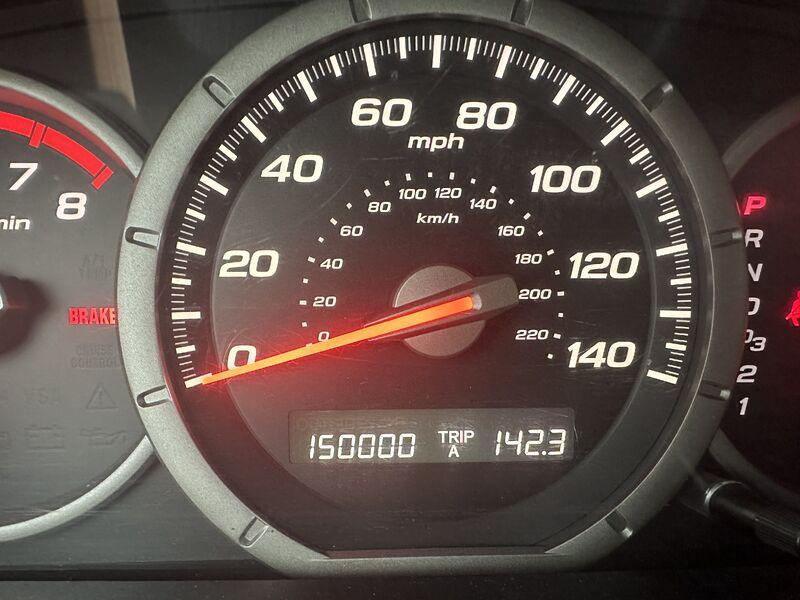
What 150,000 miles means for a car today
A lot of people still treat 100,000 miles as the end of the road. That was true a few decades ago. Today, most engines from major manufacturers are built to run well past 200,000 miles when the oil gets changed on schedule and the cooling system is looked after. Plenty of Toyotas, Hondas, Fords and Chevy trucks pass 250,000 without an engine rebuild.
So 150,000 miles is middle age, not retirement. What matters more than the odometer is how the car was treated. A car with 150,000 highway miles and a stack of oil change receipts is in better shape than one with 110,000 miles of short trips, missed services and an overheating episode nobody talked about.
That’s the first thing to figure out. Pull up your service records, if you have them, and ask yourself three questions. Was the oil changed regularly? Has the car ever run hot? Has the transmission fluid ever been changed? Honest answers will tell you how much life the rest of the drivetrain probably has left.
Start with the diagnosis, not the quote
Before you spend anything, make sure the problem is what you think it is. Engine and transmission failures share symptoms with much cheaper repairs, and a wrong diagnosis is the most expensive mistake in this whole process.
An engine that knocks, loses compression, burns oil quickly, or has coolant mixing with the oil is a different situation from one that simply runs rough because of a failed sensor or a bad ignition coil. A transmission that slips, shifts hard or flares between gears might need a fluid service, a solenoid or a valve body repair rather than a full replacement. A car that shudders at 40 mph could have a torque converter issue, and in some CVTs it can be a software update.
If the quote says “engine replacement” or “transmission replacement,” ask the shop what they tested and what they found. A good shop will show you the evidence: a compression test, a leak-down test, metal in the pan, or scan data. If you only got a verbal opinion, get a second one. An hour of diagnostic time costs a lot less than an unnecessary swap.
The math: replacement cost versus what the car is worth
This is where most decisions get made, so it’s worth slowing down.
Start with the car’s current market value. Look up what similar vehicles with the same mileage sell for in your area. Don’t use the trade-in number, since that is what a dealer would pay, not what the car is worth to you.
Next, add up the real cost of the repair. For a replacement engine or transmission, that is the part, the labor, and the extras that come with the job (fluids, gaskets, a new timing belt or water pump while things are open). Costs swing a lot by vehicle, but as a rough guide:
– A used OEM engine for a common car or SUV often runs from about $1,000 to $3,500 for the part, and more for trucks, diesels and European models.
– A used OEM automatic transmission for a mainstream vehicle commonly falls between $600 and $2,000, with CVTs and newer eight- and ten-speed units at the higher end.
Labor for an engine swap is usually in the range of ten to twenty hours, and a transmission swap roughly five to ten, depending on the vehicle and whether it’s front-wheel or four-wheel drive.
Those are estimates, not quotes. Your own numbers will depend on your car and your local shop rate.
Now compare. A common rule of thumb says that if the repair costs more than half of what the car is worth, think hard before doing it. That rule is a starting point, not a verdict, because it ignores what you’d have to spend to replace the car. A $4,000 installed used engine in a car worth $5,000 looks bad on paper. But a comparable replacement vehicle might cost $9,000 or more once you add sales tax, registration, insurance changes and the repairs that any used car comes with. New vehicles now regularly cost well over $40,000, and monthly payments on even a modest used car can run past what you’d spend on the repair in a single year.
The fairer comparison is this: repair cost on one side, and on the other the full cost of getting into a car that is as reliable as yours would be after the repair. When you count it that way, the repair wins more often than people expect.
Engine or transmission: which one is easier to justify?
Both jobs can make sense, but they don’t look the same.
A transmission replacement is usually the smaller job. The part costs less, the labor is shorter, and a used transmission with low miles from a donor vehicle can give you another 100,000 miles or more if it’s maintained. If everything else on the car is solid, replacing a failed transmission is one of the more cost-effective repairs you can make on a high-mileage vehicle.
There’s one caution. Some transmissions are known weak points, and replacing a failed unit with the same design can mean you’ll face the same problem again. CVTs in certain Nissan models, for example, have a documented history of judder and early failure, which is why Nissan issued several service bulletins for the 2013 to 2019 Sentra. If your car falls into a group like that, it’s worth reading up on your specific model before you buy a transmission. Our model pages for Honda Civic transmissions, Nissan Sentra transmissions and Ford Escape transmissions list the transmission codes and common issues by year.
An engine replacement is a bigger commitment, but it also resets the heart of the car. A good low-mileage used engine gives the vehicle a power plant that may have half the miles of the original, and if the body, frame and interior are in good shape, you end up with a car that feels much younger than its odometer reading. For trucks and SUVs that are paid off and still do their job, an engine swap is often cheaper than losing the vehicle.
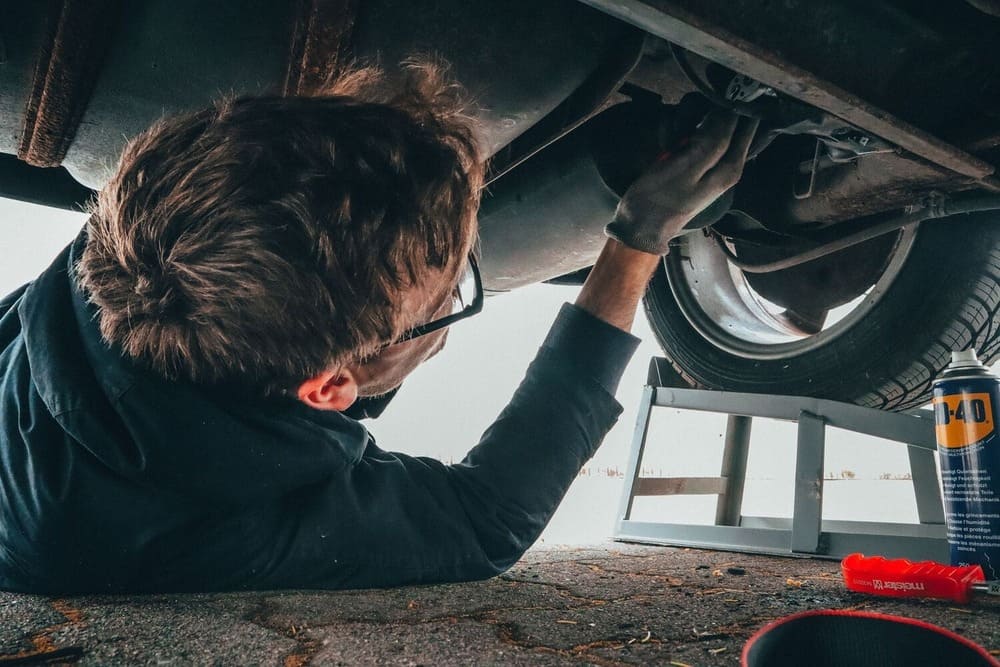
Check the rest of the car before you spend a dollar
The engine or transmission is only one part of the picture. A $3,500 repair on a car that needs another $3,000 of work next year is a different decision than the same repair on a car that’s otherwise sound. Before you commit, look at these:
– Rust. Look at the frame, the rocker panels, the subframes and the brake lines. Structural rust is the clearest sign that a car shouldn’t get a new engine. In northern states and Canada, this check matters even more.
– Suspension and steering. Worn control arms, struts, ball joints and tie rods add up quickly. Ask for an honest estimate of what’s coming.
– Brakes and ABS. A failing ABS module or seized calipers can turn a cheap repair into a long list.
– Electrical and air conditioning. Intermittent electrical faults and a failed AC compressor are expensive to chase.
– Interior and body condition. If you still like the car, that counts.
If the rest of the car is in decent shape, the engine or transmission repair is a good use of money. If three or four other systems are on their last legs, a replacement vehicle may make more sense, even if the drivetrain repair itself is reasonable.
Your four options: repair, replace, remanufacture or sell
Once you know the car is worth keeping, you have a few ways to go. Each one comes with its own cost and risk.
Repair the existing unit
Sometimes the existing engine or transmission can be repaired instead of replaced. Replacing a head gasket, a timing chain, a valve body or a set of clutch packs can be a fraction of the cost of a full swap. The risk is that when a unit has 150,000 miles on it, fixing one failure doesn’t guarantee that the next component won’t give out soon after. Repairs make the most sense when the failure is isolated and the shop can tell you why it happened.
Replace it with a used OEM engine or transmission
A used OEM replacement is an engine or transmission that came off a vehicle of the same make and model, usually one that was retired from service because of an accident or another issue unrelated to the drivetrain. It’s built to your car’s exact specifications, so it fits, connects and performs the way the original did. Prices are lower than rebuilt or new, and the best units come from low-mileage donors, so you can end up with a power plant that’s younger than the one you’re replacing.
This is the option most people at 150,000 miles end up choosing, because it balances cost and reliability. The quality depends heavily on where you buy it, which we’ll cover below.
Buy remanufactured or new
Remanufactured units are rebuilt to factory specifications and typically come with longer warranties. New crate engines are the most expensive route. Both can make sense for a car you plan to keep for another decade or for a vehicle that’s hard to find parts for. For most daily drivers, though, the extra cost doesn’t add up to a better result than a low-mileage used OEM unit. If you’re still deciding between the types, a good rule is to compare the warranty terms, the mileage of the donor and the seller’s testing process before you compare price.
Sell the car as is
If the numbers don’t work, selling is a legitimate choice. A car with a failed engine or transmission still has value to buyers who do their own repairs, to mechanics and to salvage yards. You won’t get full market price, but you may get more than you’d expect, especially for trucks, SUVs and models with a strong parts market. Compare that to the cost of the repair and the cost of the next car, and make the call with real figures.
Why a low-mileage used OEM engine or transmission is often the practical pick
A lot of buyers hesitate over the word “used.” Fair enough, because a used engine from a bad source is a gamble. But a used OEM engine or transmission from a reliable source is a different thing altogether, and here’s why it keeps winning on high-mileage vehicles.
First, it fits. OEM parts are made for your car, so you aren’t dealing with compatibility problems, adapter brackets or sensor mismatches that sometimes come with aftermarket or imported units.
Second, it costs less. For most vehicles, a used OEM engine installed costs a fraction of what a new one does, and the savings can be big enough to cover a timing belt, water pump and fresh fluids at the same time.
Third, a low-mileage donor is a younger engine. If your car has 150,000 miles and the replacement has 60,000, you’ve given the car a meaningful reset. A used engine with 150,000 miles isn’t a bargain, but one with a fraction of that is a different story.
Fourth, it’s better for the environment. Reusing a working engine or transmission keeps a heavy, energy-intensive part out of the scrap pile and avoids the emissions that come with manufacturing a new one.
At BackToRoad Auto Parts, this is the kind of part we focus on. You can browse used engines and used transmissions directly, or use the parts locator tool to search by year, make, model and part.
How to buy the right replacement engine or transmission
The most common reason a swap goes wrong isn’t the part. It’s that the wrong part was ordered. Engines and transmissions change within the same model year, and a unit that looks identical can have a different code, a different sensor layout or a different computer calibration. Here’s how to avoid that.
Match the VIN. Your vehicle identification number tells you the exact engine and transmission that came from the factory. At BackToRoad, every order is checked against the VIN before it goes out, so you’re not guessing between a 2.4L and a 3.5L or between a front-wheel-drive and an all-wheel-drive unit.
Know your engine or transmission code. The code is usually stamped on the block or on a tag under the hood, and the transmission code is often on the case or the door jamb sticker. Two engines with the same displacement can have different codes and aren’t always interchangeable.
Ask about the donor vehicle. Where did the engine come from, how many miles did it have, and why was the vehicle taken out of service? Low mileage and a clean story (an accident, not a mechanical failure) are what you want.
Ask how it was tested. A good seller inspects for cracks, leaks and visible damage and tests operation before listing the part. Ask what was done and don’t settle for “it ran when it was pulled.”
Get the warranty in writing. A used engine or transmission without a warranty is a risk you shouldn’t take on a repair this size. BackToRoad covers its parts with a 30-day warranty, and you can read the terms on our warranty page.
Confirm shipping and delivery. Engines and transmissions are heavy, and freight matters. We ship across the United States and Canada, either to your home or straight to your mechanic, and the details are on our shipping and handling page.
What else to replace while the engine or transmission is out
This is where a good repair becomes a lasting one. When the old unit comes out, a lot of components are easy to reach that would otherwise cost extra labor to get to later. Ask your mechanic to look at:
– The timing belt or chain, tensioner and water pump, if the engine uses them.
– Motor mounts and transmission mounts, which are often cracked or soft at 150,000 miles.
– The clutch, flywheel and rear main seal on manual cars.
– The torque converter and transmission cooler lines on automatics. If a transmission failed and sent metal through the system, the cooler and lines should be flushed or replaced so debris doesn’t ruin the new unit.
– The radiator, hoses and thermostat, since a cooling problem is a common reason engines fail in the first place.
– All fluids, filters, spark plugs and belts.
It adds some cost up front, but it’s much cheaper than paying for the same labor twice. Think of it as protecting the money you’ve just spent.
When replacing is not worth it
There are cases where we would tell you to walk away, and they’re worth knowing about.
– The car has structural rust or frame damage. A new engine in a rotted body is money wasted.
– Several other major systems are failing. If suspension, brakes, electrical and AC all need work, the total bill may exceed what the car is worth.
– The repair cost is more than the car is worth and you can find a better vehicle for the same money. Be honest about the real cost of the alternative, but if the numbers favor a different car, take it.
– The model has a known, unfixable problem. If a particular engine or transmission is notorious for failing and the replacement would be the same design, think about whether you want to repeat the cycle.
– You don’t plan to keep the car. If you’re selling within a year, you might not recoup the repair cost in the sale price.
If you’re on the fence, call a parts specialist before you commit. A short conversation about your vehicle can tell you a lot about what’s likely to come next.
A quick example
Say you drive a 2012 Toyota Camry with 152,000 miles. The body is clean, the interior is fine, and the car has had regular oil changes. The transmission starts slipping between second and third gear. The shop quotes you $4,800 for a rebuilt unit. You look up the car and find that it’s worth about $7,000 on the private market.
On paper, that is a 68 percent repair-to-value ratio, and the rule of thumb says no. But you check what’s available and a comparable Camry would cost you $9,500 to $10,500 by the time you pay tax and fees. You also find a low-mileage used OEM transmission, matched by VIN and covered by a warranty, and installed with a fluid flush and new mounts, the total comes to a little over half of the original quote. Now you’re spending roughly a third of the value of the car to keep something you know and trust. That’s an easy yes.
Swap in a car with rusted subframes and a bad AC compressor, and the answer flips. It depends on the car, which is why the checklist matters more than any single rule.
How BackToRoad Auto Parts can help
BackToRoad Auto Parts supplies used OEM engines, transmissions and other drivetrain parts for cars and trucks across the United States and Canada. Our parts locator tool searches our network of certified recyclers and salvage yards so you can find the part you need without calling around.
Here’s what that looks like when you order from us:
– We verify the part against your VIN so the engine or transmission code matches your vehicle.
– Every part goes through a 24-hour pre-shipment inspection before it leaves.
– Our parts specialists are available by phone to answer fitment and installation questions.
– Parts ship to your door or directly to your mechanic anywhere in the U.S. and Canada.
– Every part is backed by our 30-day warranty.
If you drive a Honda, Toyota, Ford, Chevrolet, Nissan or Jeep, you can start with our make pages for Honda, Toyota, Ford, Chevrolet, Nissan and Jeep. If you drive a four-wheel-drive vehicle, you may also need a matching transfer case with a transmission swap, and it’s worth asking about that at the same time.
Making the call
A car with 150,000 miles isn’t automatically worth saving, and it isn’t automatically worth scrapping. The decision comes down to what the car is worth, what the replacement costs, what else needs attention and how long you plan to keep it. If the body is solid, the maintenance history is good and the total repair comes in well below the price of a comparable replacement vehicle, a used OEM engine or transmission is one of the most sensible repairs you can make.
If you want a second opinion before you decide, call our parts specialists at 1-800-608-3868 with your VIN and a short description of the problem. You can also contact us online, or head to the parts locator tool to enter your year, make, model and part and see what’s available. We’ll help you get back on the road without paying for more than you need.


