


CR-V shuddering between 15 and 40 mph? What it means and when a used transmission is the fix
You’re merging onto the highway, easing through 20 or 30 mph, and the CR-V starts to shake. Not a pothole jolt. A low, rhythmic vibration that feels like driving over rumble strips, then it smooths out once you’re past 40. If that sounds familiar, you’re not imagining it, and you’re not alone. It’s one of the most reported complaints from Honda CR-V owners, and it almost always points to the same part: the continuously variable transmission, or CVT.
This guide walks through why the shudder happens, which CR-V years are most affected, how to tell whether it’s something a fluid change can fix or a sign the transmission is wearing out, and what to look for if a used transmission ends up being the right call. If you already know that’s where this is headed, you can head straight to our used Honda CR-V transmission page, search your CR-V’s year, make, and model in our parts locator tool, and skip ahead to what a properly verified used transmission should include.
Why the CR-V’s CVT shudders at highway-adjacent speeds
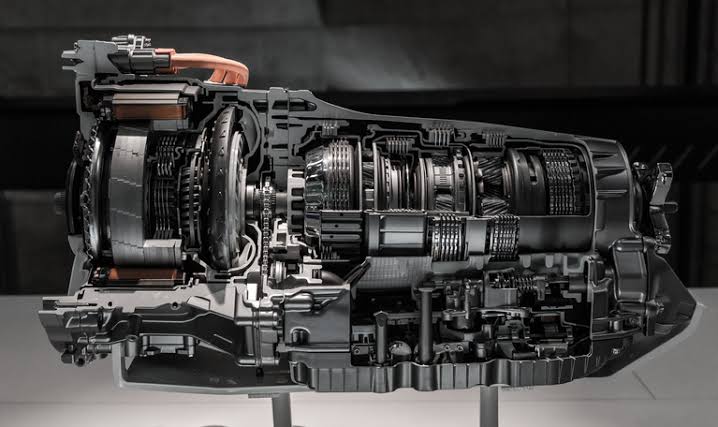
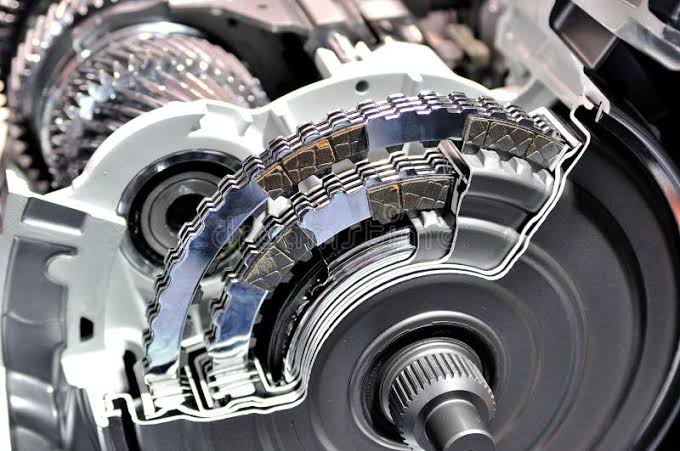
A CVT doesn’t shift between fixed gears the way a traditional automatic does. Instead, a belt or chain runs between two pulleys that continuously change diameter, so the ratio between engine speed and wheel speed adjusts smoothly rather than in steps. On paper, that means fewer moving parts to fail and a smoother ride. In practice, the CR-V’s CVT relies on a torque converter and a start clutch assembly to manage low-speed engagement, and that’s where the shudder tends to originate.
The vibration shows up most often between 15 and 40 mph because that’s the range where the torque converter is transitioning between slipping and locking up, and where the start clutch is doing the most work managing engine load. Degraded CVT fluid loses its ability to keep those components cool and properly lubricated, which lets friction surfaces grab unevenly. A worn start clutch does something similar, engaging in small stutters instead of one smooth motion. Either way, the result feels the same from the driver’s seat: a shake that comes and goes with speed and throttle position.
Fifth-generation CR-Vs, built for the 2017 through 2022 model years, are the ones most commonly flagged for this issue. Honda issued more than one technical service bulletin covering CVT shudder and software calibration during that stretch, and some owners with 2017 and 2018 models also report a related complaint: oil dilution in the 1.5T turbo engine, where gasoline seeps into the engine oil during cold starts and short trips. That’s a separate problem from the transmission, but it tends to surface around the same mileage and can complicate diagnosis if a shop isn’t looking at both systems.
The symptoms that usually travel together
CVT shudder rarely shows up alone. Owners typically describe a cluster of related symptoms:
– A vibration or shaking feeling between 15 and 40 mph, most noticeable under light acceleration
– Hesitation or a brief pause before the CR-V responds to the gas pedal
– “Rubberbanding,” where the engine revs seem disconnected from actual acceleration
– A blinking D indicator on the dashboard, which usually means the transmission control module has detected a fault
– The transmission entering limp mode, where it locks into a single gear ratio to protect itself from further damage
– A check engine light paired with codes like P0730 (incorrect gear ratio), P0740 (torque converter clutch circuit), or P0741 (torque converter clutch stuck off)
Not every CR-V with shudder will show all of these. Catching it early, when it’s just an occasional vibration at a specific speed, gives you more options than waiting until the transmission is already defaulting to limp mode on the highway.
Is it the fluid, a software issue, or the transmission itself
Before assuming the worst, it’s worth walking through the diagnostic order most technicians follow.
The first and cheapest possibility is fluid condition. CVT fluid isn’t interchangeable with standard automatic transmission fluid, and using the wrong type or letting it go too long between services accelerates wear on the belt, pulleys, and start clutch. A fluid flush with Honda’s specified CVT fluid resolves shudder in some cases, particularly on CR-Vs that are otherwise low mileage and haven’t had regular maintenance.
The second possibility is a software calibration issue in the transmission control module. Honda addressed some 2019 and 2020 model year shudder complaints through a TSB that updates the CVT’s shift mapping. If your CR-V falls in the affected range and hasn’t had this update applied, it’s worth asking your dealer or independent shop to check before assuming hardware failure.
The third possibility, and the one that points toward replacement, is mechanical wear inside the transmission itself. Worn start clutch components, a failing torque converter, or damage to the belt and pulley assembly don’t get fixed by a fluid change or a software flash. If the shudder persists after fresh fluid and an updated TCM calibration, or if it’s already progressed to limp mode, you’re likely looking at internal wear that only a rebuild or replacement addresses.
When repair makes sense, and when a used transmission is the smarter move
A fluid flush and TCM update are worth trying first if your CR-V is showing early, intermittent shudder and has a documented maintenance history. They’re inexpensive relative to the alternative, and there’s a real chance they solve the problem outright.
Once the transmission has confirmed internal wear, though, the cost math shifts. Rebuilding a CVT internally is labor-intensive work that many independent shops won’t take on, since it requires specialized tools and Honda-specific procedures. A new CVT from Honda comes at a steep premium over almost any other option. Between those two extremes sits a used transmission pulled from a comparable CR-V, tested for function, and matched to your exact configuration. For a lot of owners weighing the cost of a new CVT against the value of the car itself, especially on a CR-V that’s otherwise in good shape, a verified used transmission is the option that makes financial sense without gambling on an unknown part.
What to look for in a used CR-V transmission
Not every used CR-V transmission is interchangeable with yours, even within the same generation. A few things matter more than people expect:
Engine and drivetrain match. The CVT paired with the 1.5T turbo engine is not the same unit used with the 2.4L naturally aspirated engine, and front-wheel-drive CR-Vs use a different transmission than all-wheel-drive models. Buying based on model year alone, without confirming these details, is how the wrong part ends up on your doorstep.
Verified mileage and history. A transmission pulled from a low-mileage donor vehicle with a clean history is a better bet than one with an unknown past, especially since CVT wear is closely tied to fluid maintenance the previous owner may or may not have kept up with.
Pre-installation testing. Ask whether the unit was inspected or function-tested before it was pulled, not just visually checked. A transmission that looks clean on the outside can still have internal wear that only shows up under load.
A clear, plainly stated warranty. You want a straight answer on what’s covered and for how long, not vague language you have to interpret after something goes wrong.
How BackToRoad verifies a used CR-V transmission before it ships
This is where our process is built around the exact concerns above. Start by entering your CR-V’s year, make, model, and the part you need into our parts locator tool, along with your VIN if you have it handy. The VIN lets us confirm the exact engine and drivetrain pairing for your vehicle, so you’re not left guessing whether a listed transmission actually fits.
From there, every used transmission we source goes through a 24-hour pre-shipment inspection before it leaves for your address. That inspection covers the things a listing photo can’t show: fluid condition, physical wear on accessible components, and confirmation that the unit matches the fitment data tied to your VIN. If a part doesn’t hold up to that check, it doesn’t get shipped.
We work as a locator connected to a nationwide network of certified recyclers, and we also carry parts directly in inspected inventory, so depending on what’s available for your specific CR-V, you might be getting a part that’s already on hand or one our network locates for you. Either way, the vetting process is the same. If it turns out your CR-V needs a different part instead, our Honda CR-V parts page covers everything else we source for the model. If you’d rather talk through your options with a person before ordering, our parts specialists are available at 1-800-608-3868, and we ship to addresses across the US and Canada.
Every transmission we sell comes with a standard 30-day warranty. If something’s wrong with the part, you’re covered.
Getting your CR-V back on the road
A shuddering CVT doesn’t have to mean an expensive trip to the dealer or a leap of faith on an unverified part. Start with the basics, fluid condition and any outstanding software updates, and if the transmission itself turns out to be the problem, search your CR-V in our parts locator tool or call 1-800-608-3868 to talk to a parts specialist about a verified used transmission that actually fits your vehicle.


